
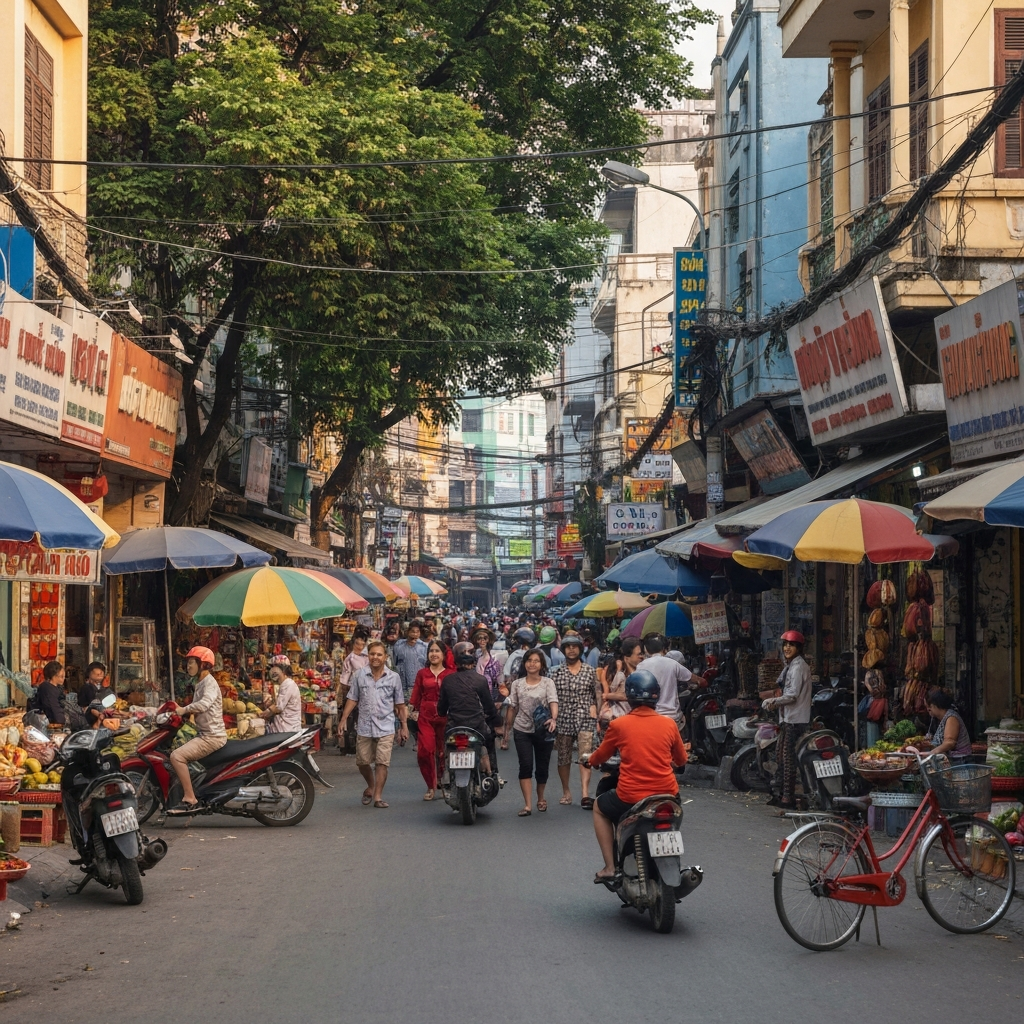
Ho Chi Minh City, Vietnam’s largest metropolis, stands as a dynamic economic powerhouse strategically located along the Saigon River, facilitating significant international trade. The city’s economy is diverse and vibrant, encompassing industries such as services, manufacturing, agriculture, and tourism.
Key Economic Sectors
The service sector is a major contributor, accounting for approximately 63.5% of the city’s GDP in 2022. This includes finance, insurance, real estate, trade, and tourism. The manufacturing sector follows, contributing 30.5% to the GDP, with a focus on electronics, textiles, and food processing. Agriculture, while smaller, remains vital, producing ornamental plants, vegetables, and fruits.
The Role of Small and Medium-Sized Enterprises (SMEs)
SMEs are the backbone of Ho Chi Minh City’s economy, comprising about 98% of the total number of enterprises. They contribute over 23% of the city’s GDP and provide employment for approximately one-third of the local workforce. This underscores their significant role in driving economic growth and structural transformation.
Commitment to Sustainable Growth
The city is committed to sustainable development, investing in public transportation and infrastructure improvements, including a modern metro system, to enhance connectivity and support economic activities. Additionally, there is a strong emphasis on improving the quality of human resources and expanding the application of science, technology, and innovation across all sectors.
In conclusion, Ho Chi Minh City’s diverse economy, bolstered by a robust SME sector and a commitment to sustainable development, positions it as a thriving hub for business and innovation in the region.