
The trade relationship between the United States and Vietnam has undergone significant transformations over the past few decades. From the normalization of diplomatic ties in 1995 to the establishment of a comprehensive strategic partnership in 2023, both nations have worked towards fostering economic cooperation and mutual growth.
Historical Context
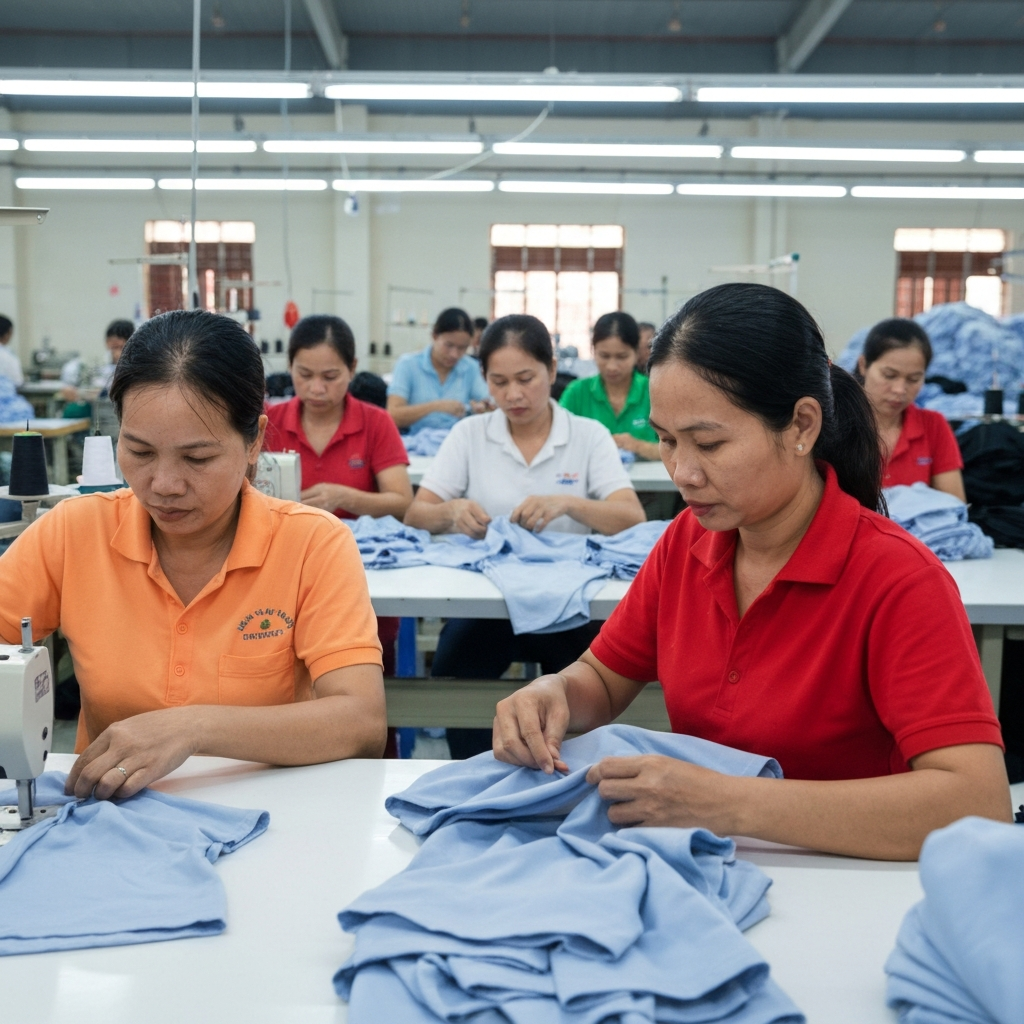
Following the end of the Vietnam War, the U.S. imposed a trade embargo on Vietnam, which was lifted in 1994. This marked the beginning of a new era in bilateral relations. Over the years, Vietnam has emerged as a key trading partner for the U.S., with exports ranging from textiles and footwear to electronics and agricultural products.
Recent Developments
In July 2025, the U.S. announced a trade deal with Vietnam that included a 20% tariff on Vietnamese imports. This move was part of broader U.S. efforts to address trade imbalances and protect domestic industries. The tariffs have had a notable impact on Vietnam’s export-driven economy, prompting businesses to reassess their strategies and explore new markets.
Economic Implications
The imposition of tariffs has led to concerns about potential revenue losses for Vietnamese exporters. Estimates suggest that these tariffs could result in a reduction of up to $25 billion in exports to the U.S., representing nearly one-fifth of Vietnam’s annual exports to the country.
To mitigate these challenges, Vietnamese businesses are adopting various strategies, including diversifying sourcing, enhancing operational efficiency, and exploring alternative markets. A survey conducted by PwC Vietnam highlighted that 44% of businesses are diversifying sourcing to other countries, while 41% are looking to diversify into new markets.
Future Outlook
Despite the current challenges, the long-term outlook for U.S.-Vietnam trade relations remains optimistic. Both nations have expressed a commitment to strengthening their economic ties. The comprehensive strategic partnership established in 2023 underscores the mutual interest in fostering a stable and prosperous relationship.
For Vietnamese businesses, this evolving landscape presents both challenges and opportunities. By staying informed about policy changes, investing in innovation, and building resilient supply chains, companies can navigate the complexities of international trade and continue to thrive in the global market.