
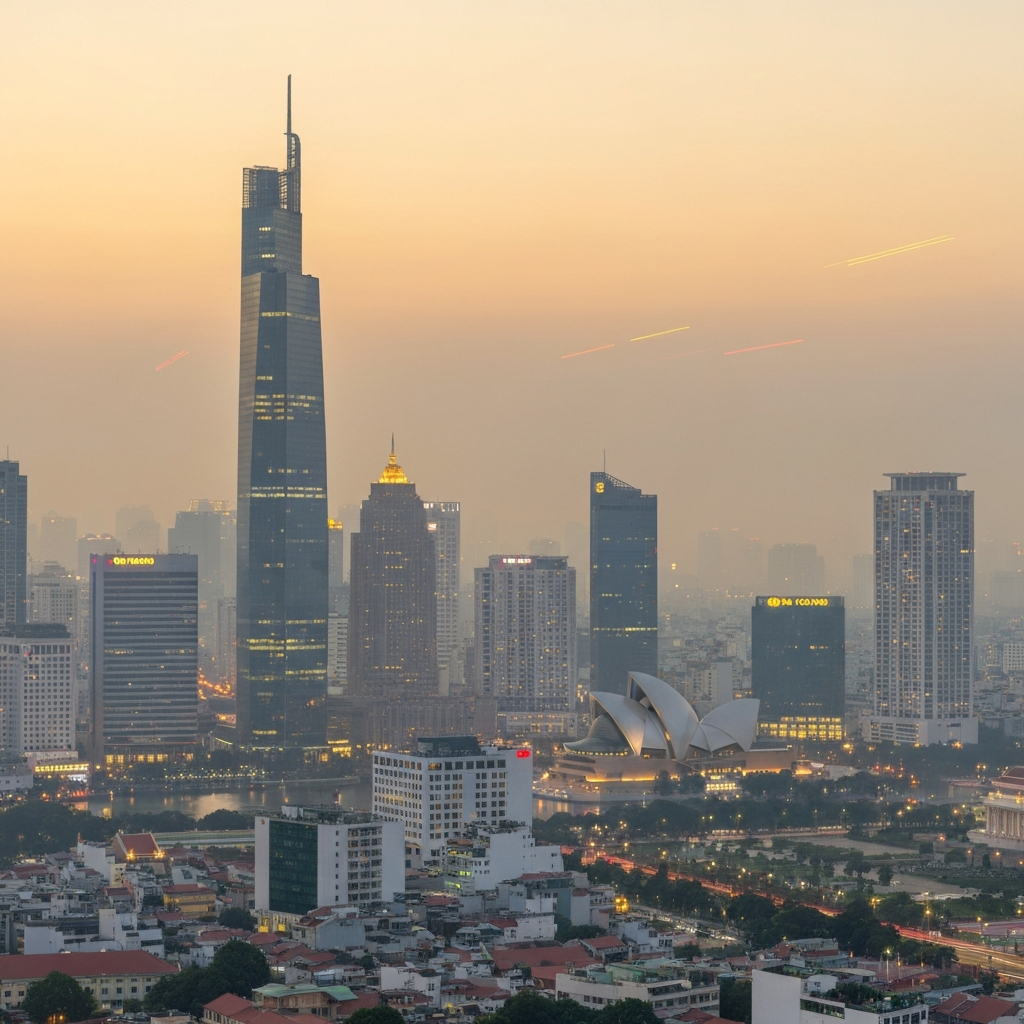
Ho Chi Minh City, formerly known as Saigon, experiences a tropical monsoon climate characterized by two distinct seasons: the dry season from December to April and the rainy season from May to November. The city’s proximity to the equator ensures consistently high temperatures and humidity levels throughout the year.
Seasonal Patterns
Dry Season (December – April)
During the dry season, the city enjoys relatively lower humidity and minimal rainfall. Average temperatures range from 31.2°C (88.2°F) to 33.8°C (92.8°F), making this period favorable for outdoor activities and tourism. The months of December to February are particularly pleasant, with cooler evenings and clear skies.
Rainy Season (May – November)
The onset of the rainy season brings increased humidity and frequent rainfall, with June typically experiencing the highest precipitation levels. Despite the rain, temperatures remain high, averaging around 32°C (90°F). The combination of heat and moisture contributes to the city’s lush greenery but also poses challenges such as flooding.
Environmental Challenges
Air Pollution
In recent years, Ho Chi Minh City has faced deteriorating air quality, primarily due to fine dust pollution from vehicular emissions and industrial activities. Reports indicate that concentrations of total suspended particulates and PM10 fine dust have been rising, particularly in areas with heavy traffic and near industrial zones. This trend poses health risks to residents and underscores the need for effective pollution control measures.
Flooding
Flooding remains a significant concern, especially during the rainy season. Factors contributing to this issue include heavy rainfall, high tides, and land subsidence. Some parts of the city are so low-lying that they experience inundation monthly, with water levels in the streets rising to 40 centimeters. This causes inconvenience and poses risks to infrastructure and public health.
Adaptation and Mitigation Efforts
To address these environmental challenges, the city has been implementing various strategies. Efforts to improve air quality include monitoring pollution levels and promoting the use of cleaner technologies. To combat flooding, authorities are investing in infrastructure improvements, such as upgrading drainage systems and constructing flood barriers. Additionally, initiatives to restore mangroves and implement sustainable urban planning are underway to enhance the city’s resilience to climate change.
Understanding Ho Chi Minh City’s climate and environmental challenges is crucial for residents and policymakers alike. By staying informed and proactive, the city can work towards a sustainable and livable future for all.