
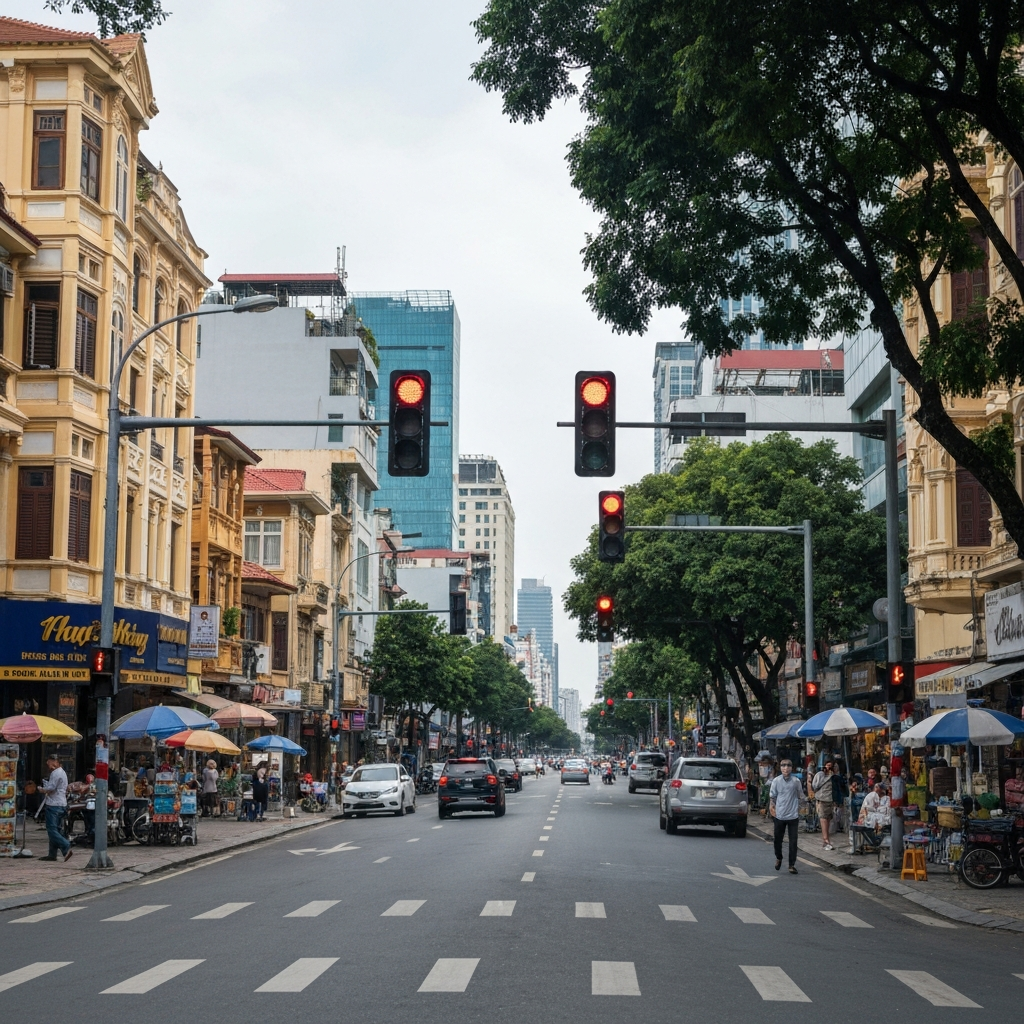
Artificial Intelligence (AI) is increasingly becoming a cornerstone of innovation in Ho Chi Minh City, influencing various sectors and the daily lives of its residents. From healthcare to education and transportation, AI’s integration is fostering a smarter, more efficient urban environment.
Healthcare Advancements
In the healthcare sector, AI applications are enhancing diagnostic accuracy and patient care. Hospitals are adopting AI-driven systems for early disease detection, personalized treatment plans, and efficient patient management. These technologies not only improve health outcomes but also alleviate the workload on medical professionals.
Educational Transformation
Education in Ho Chi Minh City is experiencing a shift with AI-powered tools facilitating personalized learning experiences. Adaptive learning platforms analyze students’ strengths and weaknesses, tailoring educational content to individual needs. This approach promotes more effective learning and helps bridge educational gaps.
Transportation Efficiency
AI is playing a pivotal role in optimizing the city’s transportation systems. Traffic management solutions utilizing AI algorithms analyze real-time data to reduce congestion and improve traffic flow. Additionally, AI-powered ride-sharing and public transport apps offer residents more convenient and efficient travel options.
AI Startups Driving Innovation
The city’s vibrant startup ecosystem is a testament to its commitment to AI development. Companies like VIESG specialize in computer vision and edge AI, delivering solutions from research to live deployment. Their work spans various applications, including visual intelligence and intelligent automation.
Another notable startup, AIVOS, has gained recognition for its contributions to the local digital transformation and AI ecosystem. As a finalist at WHISE 2024, AIVOS received investment and support, underscoring its role in driving technological innovation in the city.
Community Engagement and AI Literacy
Community initiatives are also fostering AI literacy and engagement. The Global AI Ho Chi Minh group brings together AI enthusiasts and professionals through meetups and workshops, promoting knowledge sharing and collaboration.
Furthermore, the city’s AI for Citizens Program aims to provide AI training for 15% of the population by 2030, equipping residents with practical skills to apply AI in daily life and work.
Conclusion
As AI continues to permeate various aspects of life in Ho Chi Minh City, it brings both opportunities and challenges. Embracing these technologies responsibly and inclusively will be key to ensuring that all residents benefit from the advancements AI offers.