
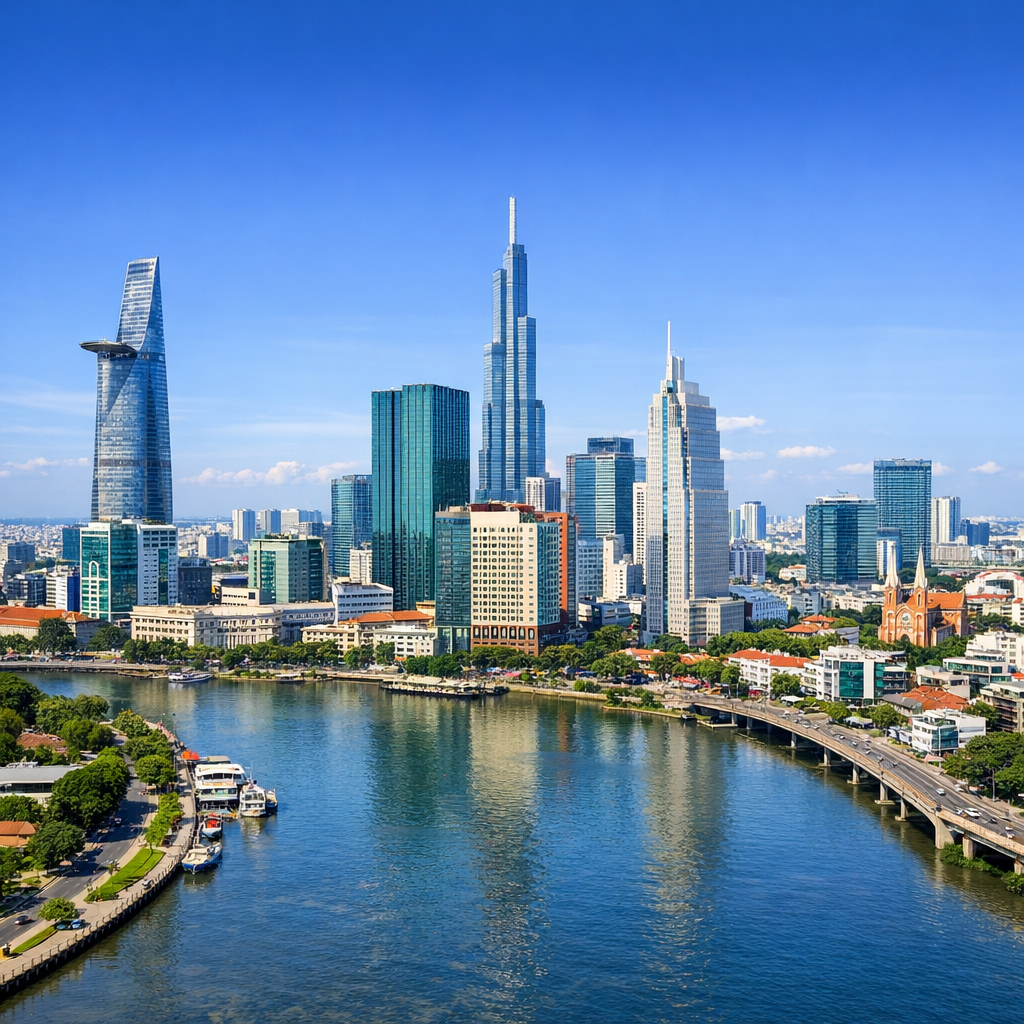
Ho Chi Minh City, formerly known as Saigon, experiences a tropical monsoon climate characterized by two distinct seasons: the dry season from December to April and the rainy season from May to November. The city maintains warm temperatures year-round, typically ranging from 25°C to 35°C (77°F to 95°F), with high humidity levels averaging 75-85% throughout the year.
Seasonal Weather Patterns
Dry Season (December – April)
During the dry season, the city enjoys sunny days with minimal rainfall. Temperatures range from 24°C to 34°C (75°F to 93°F), and humidity levels are slightly lower, making it an ideal time for outdoor activities and sightseeing.
Rainy Season (May – November)
The rainy season brings frequent but short-lived rain showers, often in the form of afternoon thunderstorms. Temperatures during this period range from 25°C to 32°C (77°F to 90°F), with higher humidity levels. These rains provide relief from the heat but can also lead to temporary flooding in certain areas.
Environmental Concerns
Air Quality
In recent years, Ho Chi Minh City has faced deteriorating air quality, primarily due to increased fine dust pollution. Factors contributing to this decline include the high number of vehicles, ongoing urban development projects, and outdated waste-treatment technologies. Monitoring data indicates that concentrations of total suspended particulates and PM10 fine dust have been rising, particularly in areas with heavy traffic and near industrial zones.
Land Subsidence and Rising Sea Levels
The city is also grappling with land subsidence and the threat of rising sea levels. Studies have shown that the Mekong Delta region, which includes Ho Chi Minh City, is experiencing significant subsidence rates, exacerbated by groundwater extraction and upstream dam construction. This combination of sinking land and rising water levels poses a substantial risk to the city’s infrastructure and its residents.
Conclusion
Understanding Ho Chi Minh City’s climate patterns and environmental challenges is crucial for both residents and visitors. While the city’s tropical climate offers warm weather year-round, the distinct dry and rainy seasons bring varying conditions that influence daily life. Additionally, addressing environmental issues such as air pollution and land subsidence is essential to ensure the city’s sustainable development and the well-being of its inhabitants.