
Ho Chi Minh City, Vietnam’s bustling economic hub, continues to grapple with significant flooding challenges. Despite substantial investments in drainage systems and flood prevention measures, many areas remain vulnerable to inundation during heavy rains and high tides.
Contributing Factors
Several factors contribute to the city’s persistent flooding:
- Rapid Urbanization: The city’s swift expansion has led to extensive construction, often outpacing the development of adequate drainage infrastructure. This rapid growth has also resulted in the loss of natural water absorption areas, exacerbating flood risks.
- Land Subsidence: Over-extraction of groundwater has caused parts of the city to sink, with some areas experiencing subsidence rates of up to 5-7 cm annually. This phenomenon reduces the effectiveness of existing drainage systems and increases flood susceptibility.
- Climate Change: Rising sea levels and more intense rainfall patterns, driven by climate change, have intensified flooding events, posing additional challenges to urban planning and infrastructure.
Current Initiatives
In response to these challenges, city authorities have outlined several initiatives:
- Infrastructure Upgrades: Plans are underway to enhance the city’s drainage capacity, including the construction of new canals and the expansion of existing ones. These efforts aim to improve water flow and reduce flood risks in vulnerable areas.
- Regulation of Groundwater Use: To combat land subsidence, the city has implemented measures to regulate and reduce groundwater extraction. Encouraging the use of alternative water sources is a key component of this strategy.
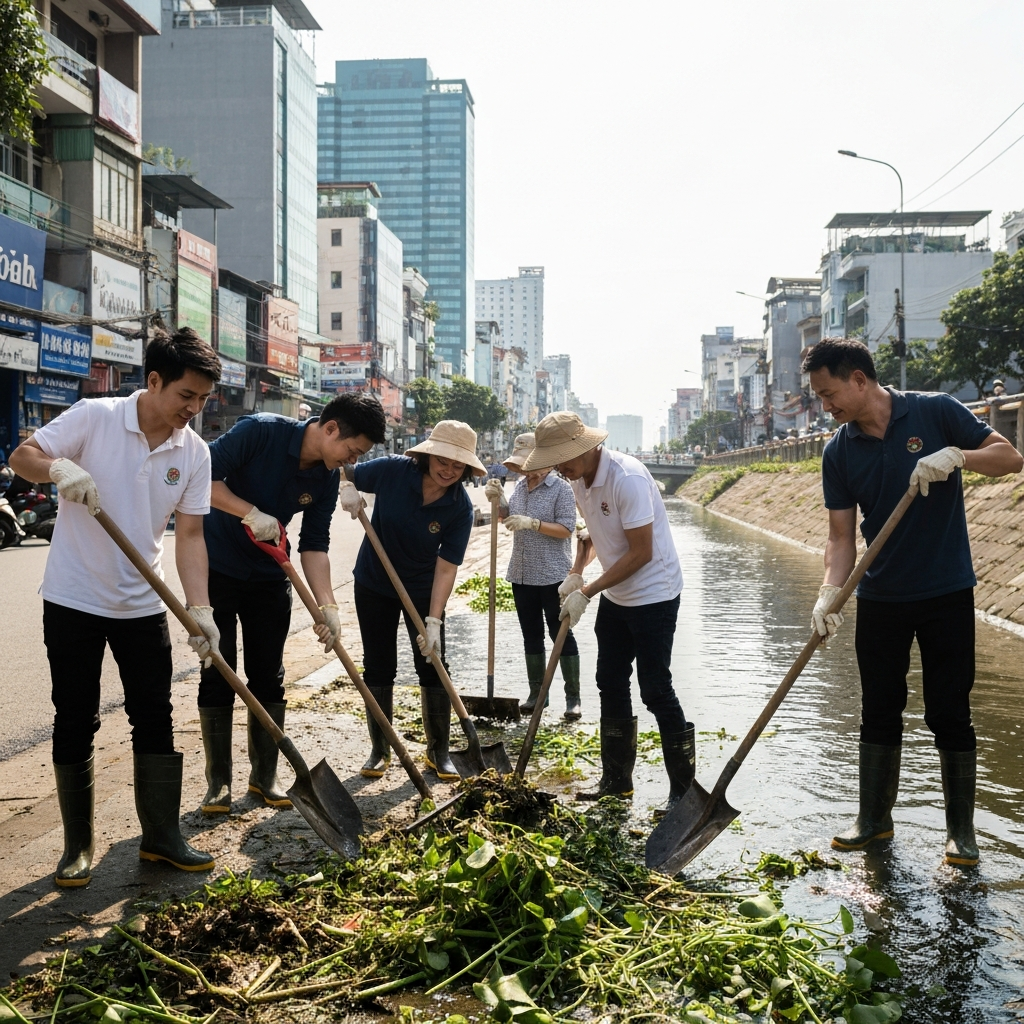
- Community Engagement: Volunteer groups, such as Sai Gon Xanh, are actively involved in cleaning and maintaining the city’s canals. Their efforts not only improve drainage but also raise public awareness about environmental stewardship.
Looking Ahead
While these initiatives represent positive steps, experts emphasize the need for a comprehensive, long-term strategy that integrates urban planning, environmental conservation, and climate resilience. Collaborative efforts between government agencies, local communities, and international partners will be crucial in developing sustainable solutions to Ho Chi Minh City’s flooding challenges.