
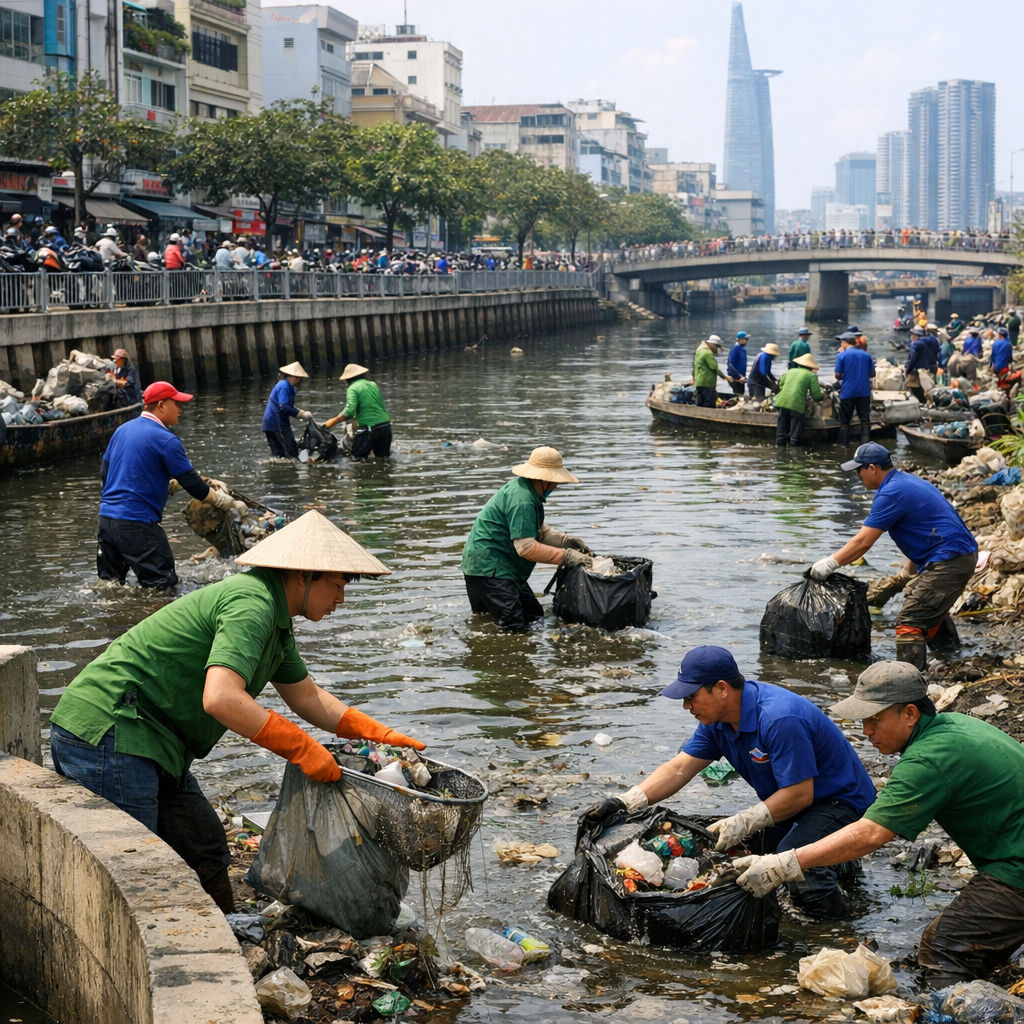
Ho Chi Minh City is witnessing a surge in community-driven initiatives aimed at fostering social welfare and environmental sustainability. These programs, spearheaded by local organizations and volunteers, are making significant strides in improving the quality of life for residents.
Advancing Social Welfare
The Ho Chi Minh City Child Welfare Association (HCWA) has been a cornerstone in supporting disadvantaged children. With over 30 years of service, HCWA has assisted more than 300,000 children and adolescents through various projects. Their ‘Thrive Together’ program focuses on providing education, healthcare, and skills development to vulnerable children, including those affected by HIV/AIDS and disabilities. This initiative not only addresses immediate needs but also builds a foundation for long-term resilience.
Environmental Sustainability Efforts
Environmental conservation is another area where community efforts shine. Saigon Xanh, an independent volunteer organization, is dedicated to keeping the city’s canals clean and reducing plastic waste. Their activities include installing floating barriers to collect waste, organizing bi-weekly canal cleanups, and promoting recycling through educational workshops. These efforts aim to build a greener future for the community.
Similarly, HopeHealth Vietnam organizes monthly trash clean-ups across the city and nearby rural areas. Their mission is to unite the community in creating a cleaner, healthier Vietnam. These clean-ups are supported by local businesses, volunteers, and government partners, emphasizing the collective responsibility towards environmental stewardship.
Youth Volunteerism
The spirit of volunteerism among the youth is evident in initiatives like the ‘Green Sunday’ movement. Launched in 1994, this movement has become a symbol of collective action for the environment, attracting participation from all segments of the population. It reflects the responsibility and aspiration of Ho Chi Minh City’s youth in protecting the environment and building a compassionate city.
Additionally, the annual Spring Volunteer Campaign, now in its 18th year, mobilizes thousands of young volunteers to engage in activities such as blood donations, setting up charity booths, and cleaning streets and alleys. This campaign underscores the city’s commitment to fostering a culture of volunteerism and community service.
Conclusion
These community initiatives highlight the proactive steps taken by Ho Chi Minh City’s residents to address social and environmental challenges. Through collective effort and dedication, they are paving the way for a more inclusive and sustainable urban environment.