
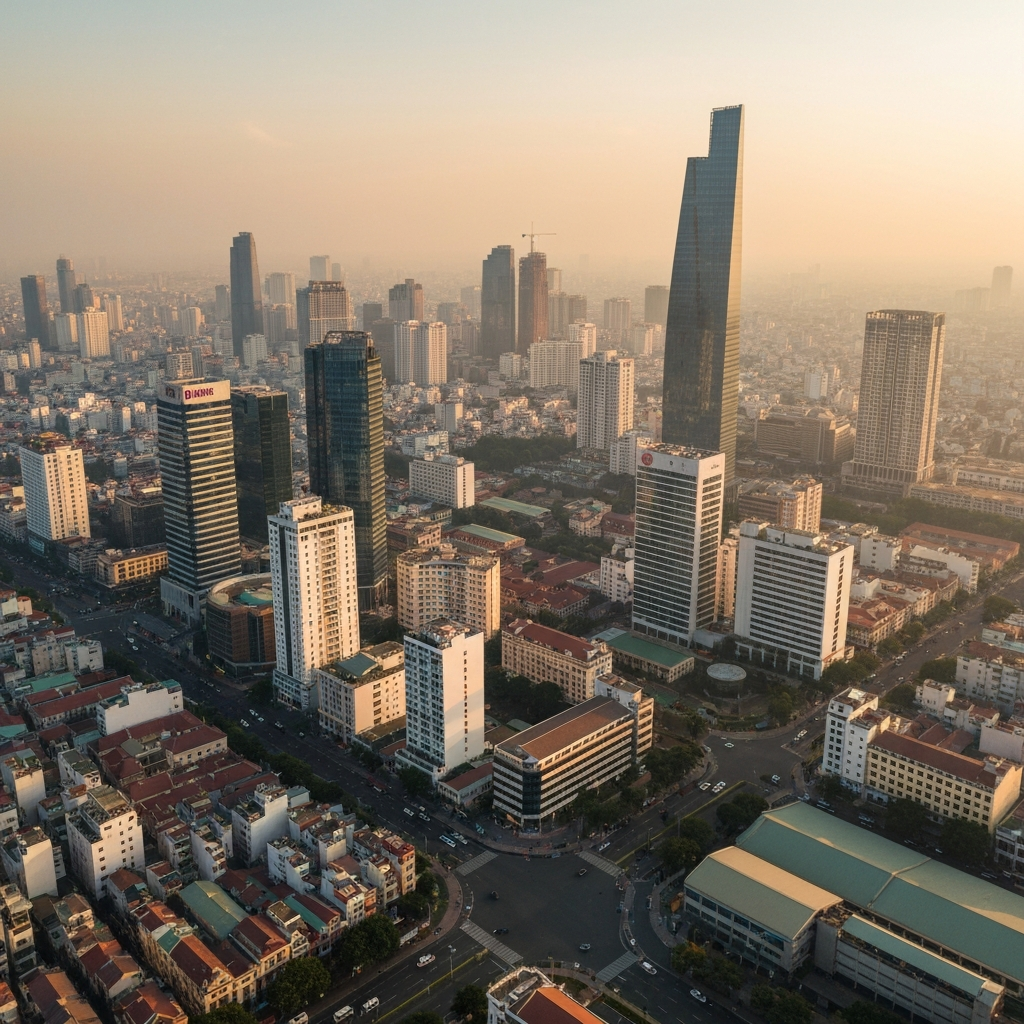
Ho Chi Minh City, formerly known as Saigon, experiences a tropical monsoon climate characterized by two distinct seasons: the dry season from December to April and the rainy season from May to November. The city’s proximity to the equator ensures consistently warm temperatures year-round, with average highs ranging from 31°C to 35°C (88°F to 95°F). Humidity levels are notably high, averaging between 78% and 82% throughout the year.
Seasonal Patterns
During the dry season, the city enjoys relatively lower humidity and minimal rainfall, making it an ideal period for outdoor activities and tourism. Conversely, the rainy season brings increased precipitation, with June often recording the highest rainfall. These heavy rains can lead to localized flooding, especially in low-lying areas.
Environmental Concerns
In recent years, Ho Chi Minh City has faced escalating environmental challenges. Air quality has deteriorated due to factors such as the proliferation of motor vehicles, ongoing construction projects, and outdated waste-treatment technologies. Studies have indicated rising concentrations of fine particulate matter (PM2.5 and PM10), particularly in areas with heavy traffic and near industrial zones. This decline in air quality poses health risks to residents and underscores the need for effective pollution control measures.
Flooding remains a significant concern, exacerbated by rapid urbanization and inadequate drainage infrastructure. The city’s low-lying topography makes it susceptible to water accumulation during heavy rains and high tides. Efforts to improve flood management are ongoing, but challenges persist in mitigating the impact of these events on daily life and the local economy.
Looking Ahead
Addressing Ho Chi Minh City’s environmental issues requires a multifaceted approach, including upgrading infrastructure, implementing stricter environmental regulations, and promoting sustainable urban development. Public awareness and community engagement are also crucial in fostering a collective effort to preserve the city’s environment for future generations.