
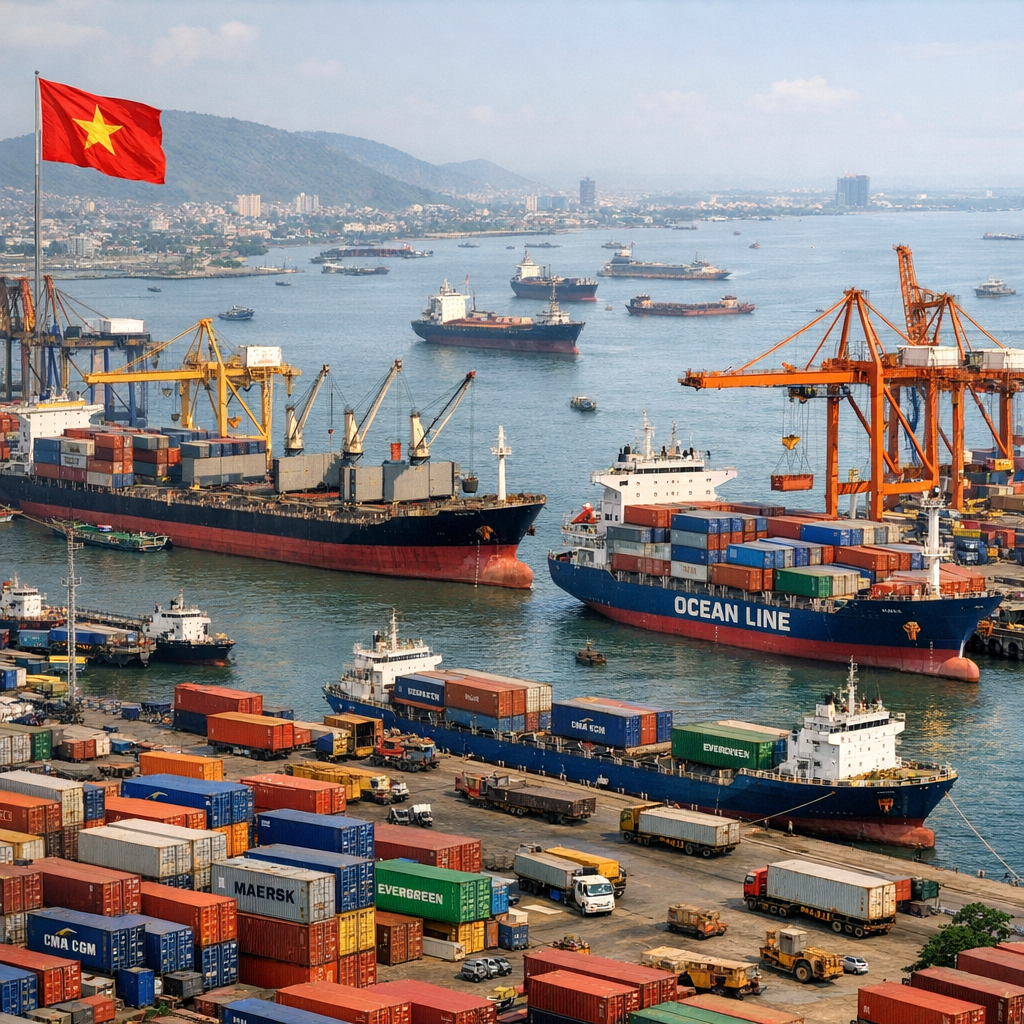
Vietnam’s strategic policies and economic reforms have positioned it as a pivotal player in global trade and supply chains. The nation’s commitment to international integration and economic liberalization has yielded significant advancements in trade and manufacturing sectors.
Economic Integration and Trade Agreements
Since joining the World Trade Organization (WTO) in 2007, Vietnam has actively engaged in global trade, signing and implementing 19 free trade agreements (FTAs) with 65 countries and territories. These agreements, including the Comprehensive and Progressive Agreement for Trans-Pacific Partnership (CPTPP) and the EU-Vietnam Free Trade Agreement (EVFTA), have enhanced market access and diversified export destinations.
Trade Performance and Export Growth
Vietnam’s total trade turnover surpassed US$930 billion in 2025, marking an 18.2% year-on-year increase. The country recorded a trade surplus of approximately US$20 billion, reflecting strong export momentum alongside rising import demand. Key export categories include smartphones, electronics, computers, garments, and agricultural products.
Attracting Foreign Direct Investment
Vietnam’s favorable trade policies and competitive advantages have attracted substantial foreign direct investment (FDI). Leading global technology companies, including Samsung, Apple, Intel, LG, and Foxconn, have established or expanded their operations in Vietnam, contributing to the country’s emergence as a critical production hub in the global electronics and high-tech supply chains.
Challenges and Future Outlook
Despite impressive growth, Vietnam faces challenges such as over-reliance on road transport, underdeveloped rail and waterway networks, and the need for improved logistics efficiency. Addressing these issues through infrastructure development and policy reforms is crucial for sustaining growth and enhancing competitiveness.
Vietnam’s proactive approach to economic integration and trade liberalization has solidified its role as a trusted global trade partner and strategic supply chain hub. Continued efforts to address infrastructural challenges and leverage trade agreements will be essential for maintaining this upward trajectory.